Braiding knowledge: how Indigenous expertise and western science are converging
Researchers are weaving Native practices with western methods to revive ecosystems and reclaim food sovereignty
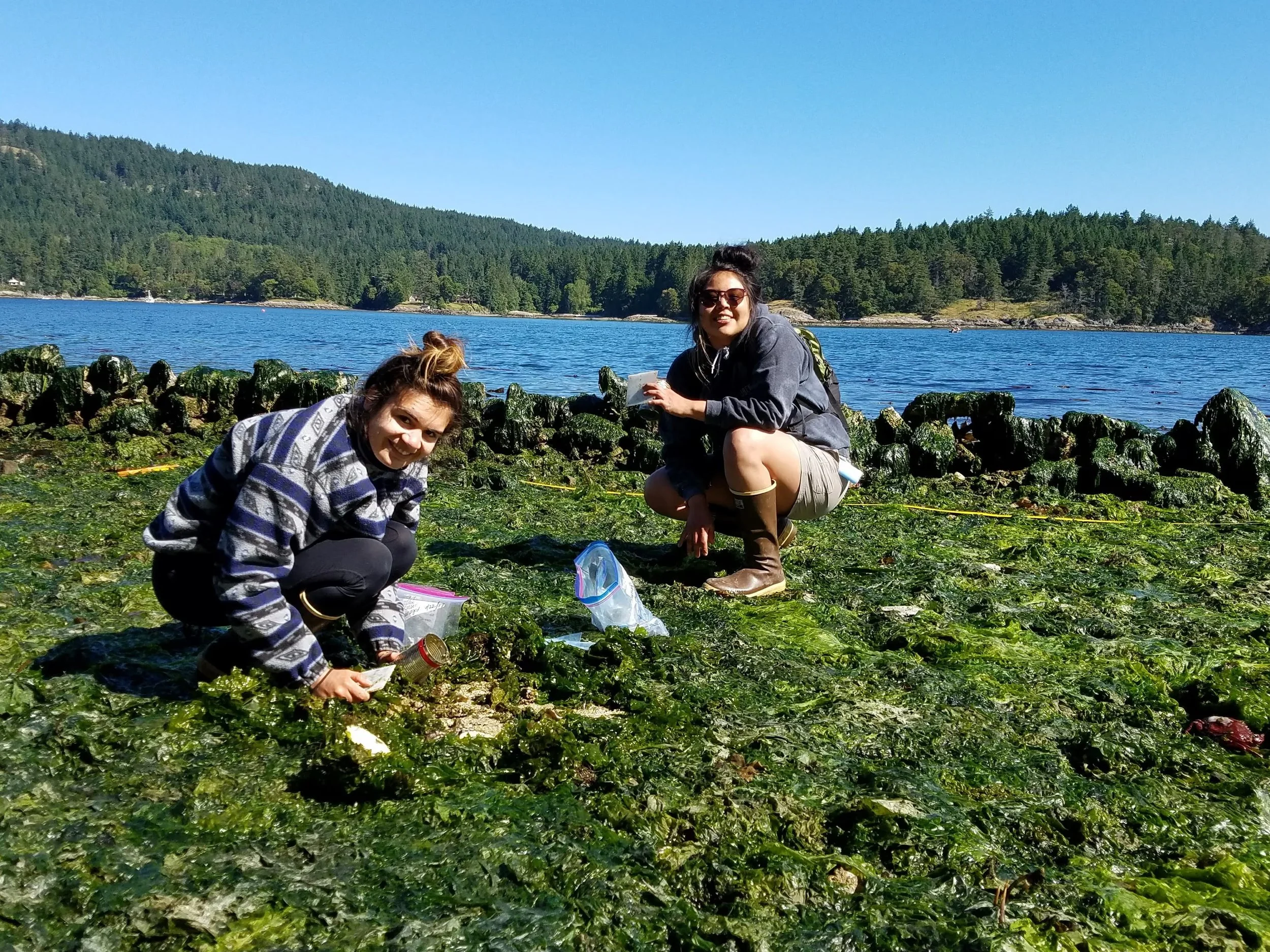
Students of researcher Marco Hatch collect scientific samples on Russell Island, British Columbia, in 2017. Photograph: Marco Hatch
Originally published on the Guardian | April 4, 2026
By Lela Nargi
“I’m a glorified clam counter.”
So said Marco Hatch, a marine ecologist at Western Washington University and an enrolled member of the Samish Indian Nation. Hatch has been conducting surveys of mollusks growing in and around clam gardens in the Pacific north-west, as he collaborates with seven Indigenous communities to build or rebuild these rock-walled, terraced beaches once created and tended by their ancestors.
Hatch’s surveys in service of this reclamation are rooted in western scientific methodology and increase understanding about beach ecology and clam health. But, just as important, the data Hatch provides can help these nations obtain the local, state and federal permits they need to maintain or re-engineer these structures. And that helps them assert greater control over their heritage and regain food sovereignty for their communities.
Rather than dismissing Indigenous knowledge, more western scientists are discovering its viability for themselves and adjusting their research goals to embrace it.
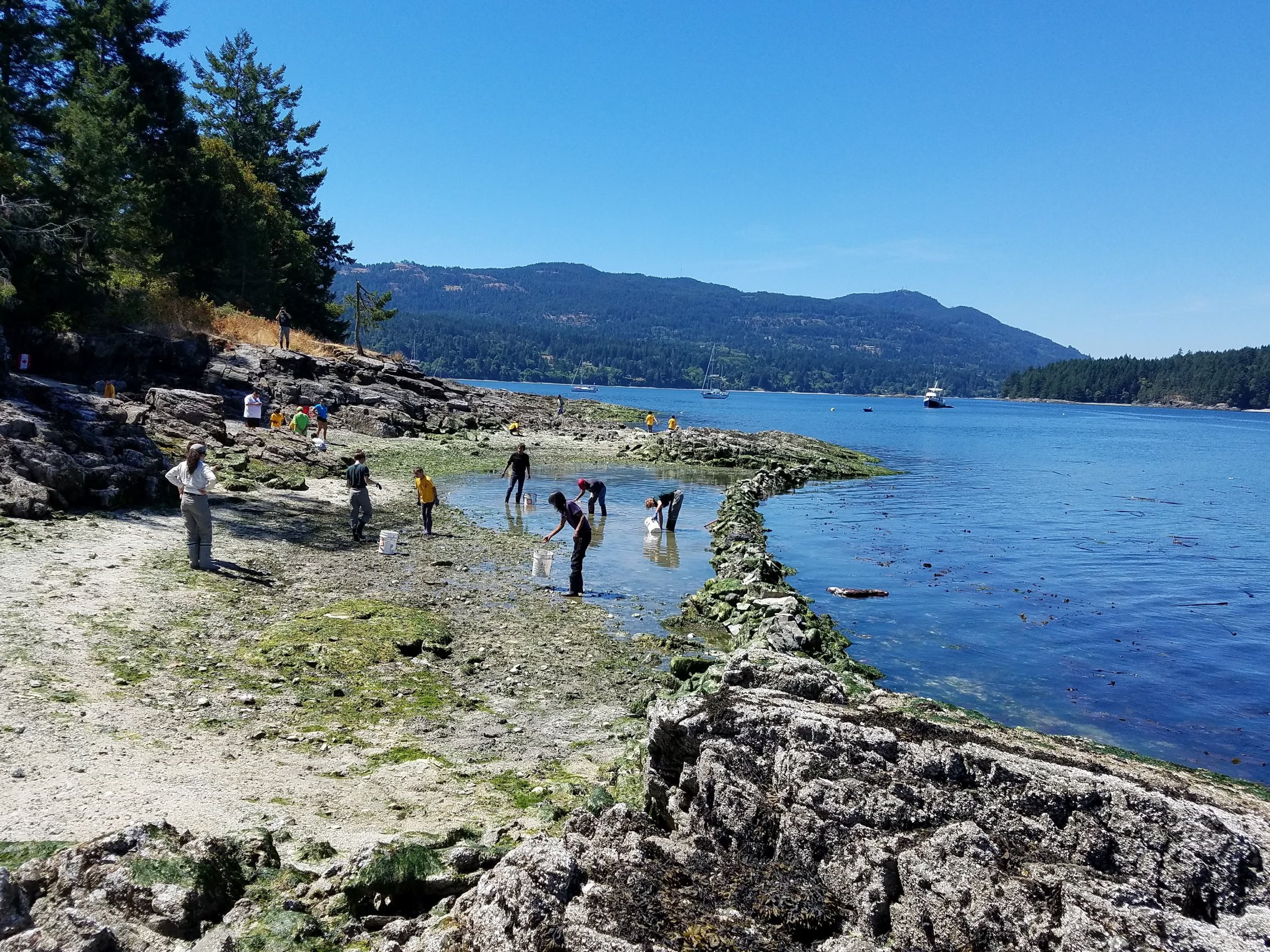
Clam gardens are an ancient technology used by Indigenous Americans. Scientific research shows these terraced gardens like these on Russell Island, British Columbia, for mollusks enhance biodiversity and help with coastal management. Photograph: Marco Hatch
That represents a “massive shift”, according to Kyle Whyte, a professor of environmental justice at the University of Michigan and a member of the Citizen Potawatomi Nation. Historically, western scientists have considered themselves rigorous and empirical, while they have classified traditional Native thought as mythic, religious or plain made-up, he said.
In fact, a long-overdue “braiding” of Native and western knowledge is becoming ever more common. Prominent Native authors such as Vine Deloria Jr have pointed out Native environmental practices in books for popular audiences. They’ve theorized, as the Alaskan native scholar Oscar Kawagley described it, “native ways of knowing”. More Indigenous people – Robin Wall Kimmerer, author of Braiding Sweetgrass, is a notable example – are entering academia and changing it from the inside, while some tribal nations have hired their own scientists. Non-Native institutions are seeking to undo their erasure of Indigenous cultures; the Brooklyn Botanic Garden has started to include labeling that highlights Lenape names and uses for food plants like persimmons. International environmental organizations also increasingly recognize the importance of including Indigenous voices in discussions around the climate crisis. Since 2022, there’s even been federal funding to study ways to combine Indigenous and western sciences, so each part remains distinct while being strengthened by the other.
Kisha Supernant, who is Métis and Papaschase and the director of the University of Alberta’s Institute of Prairie and Indigenous Archaeology, said that Indigenous knowledge contained “a rich history of observation, experimentation and understanding that has its own systems of rigor”. Such rigor is evident in places like the clam gardens that Hatch studies. Beginning at least 4,000 years ago, Native communities built clam gardens into the intertidal zone from Washington state through coastal British Columbia, and into south-east Alaska. They are a unique form of mariculture that provide harvestable habitat for an array of tasty ocean creatures like butter clams – collected “in great numbers, then smoked and dried and stored and traded”, Hatch said. But they also yielded red rock crab, basket cockles, sea cucumbers, limpets, sea snails and seaweeds in a veritable smorgasbord for humans and marine mammals, such as otters.
These gardens change where sediment moves and may protect against increasing shoreline erosion; studies also show that clam productivity and populations are higher inside gardens than outside them.
Although there have been instances where treaties affirmed their right to harvest, many Indigenous groups lost access to the beaches where they once picked clams. Hatch facilitates bringing them back to these places, where “sleeping” knowledge of clam gardening – interrupted by such impacts of colonization as privatization of land and forced boarding school confinements – is reawakened. “Memories and stories come up that wouldn’t have otherwise,” as elders remember and then share them with a new generation, Hatch said.