Seven strategies can harness the world’s largest ecosystem to dramatically reduce greenhouse gas emissions.
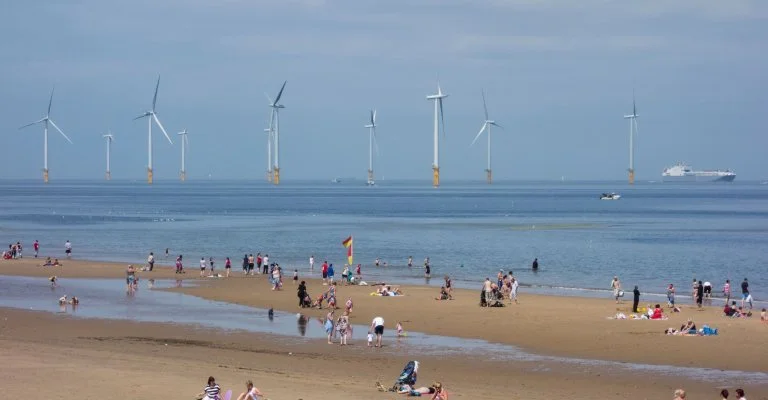
Image by Islandstock/Alamy Stock Photo
By: Katie Wood and Oliver Ashford
Last Updated: May 22, 2026 Originally Published: September 20, 2023 by World Resources Institute
The effects of climate change are becoming increasingly apparent. The last 11 years have been the hottest on record, negatively affecting health, economies and ecosystems.
But one of the most promising areas for climate action has been largely overlooked and underinvested: the ocean.
Research commissioned by the High Level Panel for a Sustainable Ocean Economy found that ocean-based climate solutions can deliver over a third of the annual emissions cuts needed in 2050 to limit temperature rise to 1.5 degrees C (2.7 degrees F), a globally agreed target to avert the worst outcomes from climate change.
These solutions, such as offshore renewables and restoring mangroves and other “blue carbon” ecosystems, are ready to implement and economically viable today. Data shows that investing $1 in key ocean actions can yield at least $5 in global benefits, often more, over the next 30 years. They can also produce multiple co-benefits including job creation, habitat protection, food security and others.
But while investments in a sustainable ocean economy are profitable, finance for these solutions has been largely lacking. For example, less than 1% of global development funding goes to the ocean. Meanwhile, analysis shows that while 90% of coastal and island nations’ new climate plans (known as “nationally determined contributions,” or NDCs) include at least one ocean action, they’re largely missing solutions with the most potential to reduce emissions and generate new economic opportunities.
Here are seven key opportunities for ocean-based climate action that can deliver substantial emissions cuts alongside social, economic and environmental benefits for coastal communities:
1) Expanding Ocean-based Renewable Energy
Ocean-based renewable energy is a major area of opportunity, with ready-to-implement solutions including offshore wind as well as floating solar and tidal power. Ramping up offshore renewables could slash greenhouse gas emissions by up to 3.60 gigatonnes per year in 2050 — more than the E.U.’s emissions in 2021. Increasing deployment of renewables will also be critical to meeting global energy demand as the world works to increase electricity generation while phasing out coal and other fossil fuels.
This potential is more than theoretical. Investment in ocean-based renewables is already increasing. Global pledges in offshore wind now bring targeted deployment to up to 2,000 GW, enough to power approximately 1.5 billion homes annually by 2050.