How Trump Derailed a NOAA Pioneer’s Move From Climate Impacts to Solutions
Libby Jewett founded the U.S. ocean acidification program and had begun work on offshore wind energy. But she joined the past year’s historic exodus from the agency, the impacts of which are still not clear.
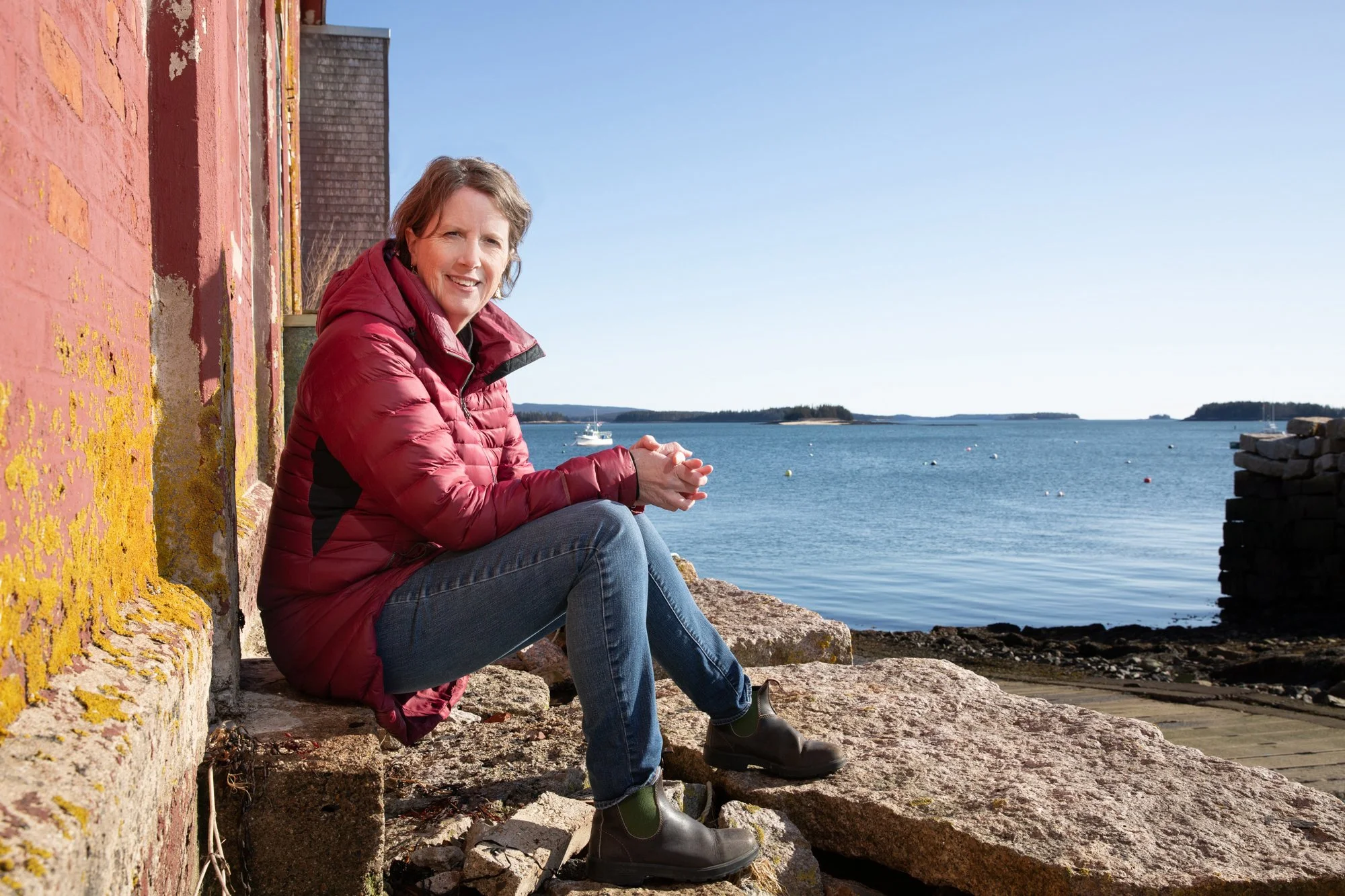
Libby Jewett, the founding director of NOAA’s ocean acidification program, retired last year amid widespread layoffs across government agencies. Credit: Danielle Pease
Inside Climate News | January 6, 2026
By Marianne Lavelle
After spending the first 16 years of her federal government career focused on the impacts of climate change, Libby Jewett hoped to wrap up her time at the National Oceanic and Atmospheric Administration working on solutions.
So in 2023, the marine ecologist gave up her post as the founding director of NOAA’s ocean acidification program, moved from Washington, D.C., to New England, and joined the agency team working on the permitting of offshore wind energy. Technically, it was a demotion, since she no longer was a manager, but Jewett was eager to help tackle the slew of projects proposed on the Atlantic Coast during President Joe Biden’s administration.
But that work, and Jewett’s career as a public servant, came to an abrupt halt soon after President Donald Trump took office. Amid the upheaval early last year as Elon Musk and the Department of Government Efficiency (DOGE) slashed the federal workforce and Trump ordered a stop to U.S. offshore wind development, Jewett, 62, opted to retire.
DOGE was quietly disbanded in November after falling far short of its budget-cutting goals. Trump has escalated his war on offshore wind, citing unspecified secret national security risks, in an effort to maintain a halt on all projects in the face of a federal judge’s Dec. 8 ruling that such a ban was illegal. And the tumult of the first year of Trump’s second term lingers, destined to have a lasting impact on NOAA, in large part because of the exodus of experts like Jewett.